Published on February 24, 2026 · Written by Sarah Gord
Poland isn’t always the first place that comes to mind when planning a European getaway, but it absolutely should be.
This country is packed with history, natural beauty, and cultural surprises that easily rival its more talked-about neighbours.
You can walk through the cobbled streets of Kraków’s Old Town, reflect at the haunting memorials of Auschwitz, hike through the jaw-dropping Tatra Mountains, or explore the dynamic mix of old and new in Warsaw, where modern skyscrapers sit beside painstakingly reconstructed historic sites.
From Gothic castles and WWII landmarks to peaceful parks, traditional markets, and colourful street murals, Poland has a way of blending the past and present in a way that’s completely its own.
Whether you’re here for the history, the hikes, or just to eat your weight in dumplings, you’ll be constantly struck by just how much there is to see, do, and experience.
This guide will walk you through everything you need to know to plan your own trip to Poland, from essential travel tips to must-visit cities, attractions, and dishes that define this incredible country.
Top Travel Resources for Poland
| # | Service | Best for | Why we recommend it | |
|---|---|---|---|---|
| 1 | QEEQ | Car rental | Compares major car rental desks and offers price-drop protection on bookings. | Visit site |
| 2 | EKTA | Travel insurance | Travel insurance with online claims, including adventure sport options. | Visit site |
| 3 | Drimsim | eSIM & data | Pay-as-you-go travel eSIM: you pay only for the data you use. | Visit site |
| 4 | AirHelp | Flight compensation | Claims compensation for delayed or cancelled flights on your behalf, for a success fee. | Visit site |
| 5 | Radical Storage | Luggage storage | Flat-rate luggage storage near stations and attractions. | Visit site |
| 6 | WeGoTrip | Self-guided tours | Self-guided audio tours for cities and museums, at your own pace. | Visit site |
| 7 | GetRentacar.com | Car rental | Marketplace of local rental suppliers with no-deposit options in some locations. | Visit site |
| 8 | AutoEurope | Car rental | Long-established car rental broker for Europe and the UK. | Visit site |
Essential Things to Know Before Visiting Poland
Before you touch down in Poland, there are a few things worth knowing that will make your trip smoother. Despite being in the EU, Poland uses the zloty (PLN), not the euro. English is spoken in most cities, but knowing a few phrases never hurts. Getting around is a breeze, as trains are readily available and surprisingly punctual. Poland is a safe, welcoming, and affordable destination, so your budget will stretch further than you might expect.
Health and Safety in Poland
Poland is a safe country for travellers, with low crime rates, clean cities, and reliable healthcare services. The tap water is safe to drink, though opting for bottled water while travelling abroad is always a reasonable precaution.
Travel Insurance in Poland
Because Poland is generally safe and affordable with accessible healthcare, travel insurance isn’t always essential for most visitors. While unexpected issues can happen anywhere, the risk of major emergencies is relatively low, particularly if you stick to common tourist areas.
Visas and Required Documents
If you’re travelling from the EU, US, UK, Canada, Australia, or New Zealand, you don’t need a visa for stays up to 90 days within any 180-day period for tourism or business purposes within the Schengen Zone. Make sure your passport is valid for at least three months beyond your planned departure date, and always check your passport’s expiration before booking any ticket. For longer stays or purposes beyond leisure such as work or study, check with your local embassy for visa requirements.
Weather
Late spring (May to June) to early fall (September to October) offers the best weather, fewer crowds, and lower prices. Poland can get hot with significant rainfall in summer (July to August) and snowy and cold in winter (November to February), unless you enjoy winter sports and Christmas markets.
Transportation in Poland
Travelling around Poland is straightforward and budget-friendly. Intercity trains connect major cities quickly and comfortably. For shorter trips, regional buses and trams make city travel easy. For ride-sharing, Bolt is more readily available than Uber. Renting a car can be useful for rural areas or road trips, but cities are best explored on foot or by public transit.
It’s worth noting that unlicensed taxis are common in some areas, especially near airports and tourist spots. They can be risky and often charge inflated fares, so stick to official taxi services or ride-share apps.
Money and Tipping in Poland
Poland uses the zloty (PLN). While cards are widely accepted, it’s smart to carry some cash for smaller spots and local markets. Tipping is optional but feel free to round up the bill for good service.
The Best Cities to Visit in Poland
Poland is home to some of Europe’s most underrated cities, each offering a distinct mix of history, culture, and natural beauty. From medieval Kraków to urban Warsaw, these cities blend lively market squares, Gothic architecture, and rich cultural experiences. Gdańsk brings colour and a Baltic breeze, while Zakopane offers a scenic mountain escape. Wrocław, with its maze of islands and bridges, colourful townhouses, and hidden dwarf statues, adds a fairytale charm. Poland’s cities offer something for every kind of traveller.
Warsaw: The modern capital with deep historical roots
Warsaw beautifully blends old and new in a way that surprises and inspires. Towering modern skyscrapers sit alongside the meticulously reconstructed Old Town, rebuilt after the devastation of World War II. At its heart stands the Royal Castle and gardens, a powerful symbol of resilience and renewal. Just a short walk away, the POLIN Museum is dedicated to preserving one thousand years of Jewish history in Poland. Strolling through Warsaw, you can feel the city’s remarkable story of survival.

Kraków: The cultural capital and medieval gem
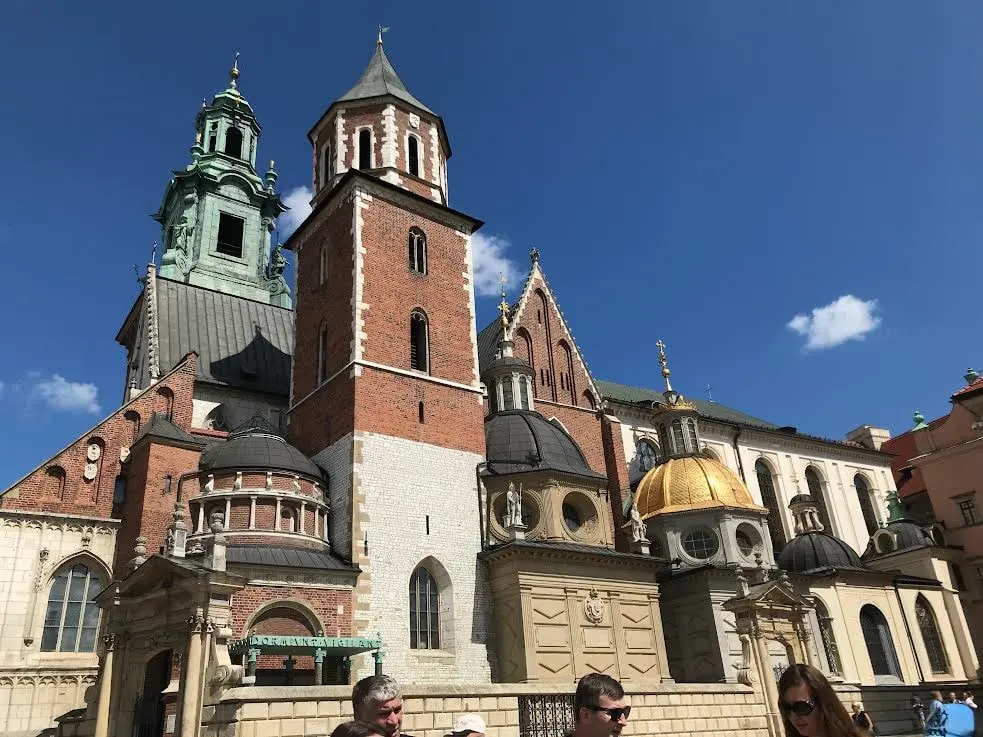
Kraków feels like it was lifted straight from the pages of a fairy tale, with its medieval charm, grand Wawel Castle perched on a hill, and narrow cobblestone streets winding through a remarkably well-preserved Old Town. Unlike many other Polish cities, Kraków was largely untouched by WWII, so its original Gothic architecture and medieval buildings still stand proudly today. The city is filled with important landmarks, from baroque churches to centuries-old market halls, making it one of Europe’s most magnificent historic centres.

One of the most fascinating areas to explore is Kazimierz, the city’s historic Jewish Quarter, once the heart of Jewish life in Kraków. Key landmarks include the Old Synagogue, the oldest in Poland, which now houses a museum dedicated to Jewish history and culture.

If you have an extra day, visiting Auschwitz-Birkenau is a powerful and sobering experience that offers a glimpse into one of history’s darkest chapters. The site serves as a moving memorial to the millions who suffered and perished during the Holocaust. Booking through TripAdvisor is an easy option, as a bus will collect you directly from your hotel.

Gdańsk: A colourful port city with Baltic charm
Gdańsk is the most picturesque of Poland’s cities. Nestled on the Baltic Sea, wandering through it feels like stepping into a painting, with rows of tall pastel-coloured townhouses lining the Long Market and reflecting off the Motława River. The city’s maritime history as a centuries-old port and trading hub runs deep. Walk along Mariacka Street to see preserved old architecture and browse amber souvenirs, or climb the tower of St. Mary’s Church for sweeping views of the Old Town.
The Museum of the Second World War, located in the heart of the city, offers a comprehensive, well-curated, and deeply moving look at one of the most significant events in global history, and well worth a visit. If you have an extra day, consider a day trip to Malbork Castle, the largest castle by land area in the world and once home to the Teutonic Knights. It’s just a one-hour train ride away.

Wrocław: Known for its bridges and hidden gnome statues
Wrocław is one of Poland’s most charming cities, known for its colourful architecture, vibrant waterfront, and over 100 bridges, earning it the nickname “Venice of the North.” Spend your days exploring the Market Square, visiting the Gothic Wrocław Cathedral, or strolling through the Botanical Garden. Don’t miss the Centennial Hall, a UNESCO World Heritage Site, or a boat ride along the Oder River.
Wrocław is also famous for its hidden dwarfs, over 600 small bronze statues scattered around the city. Hunting them down using maps or apps is a fun and unique way to explore the streets.

Zakopane: Gateway to the Tatra Mountains
If there is one day trip I would recommend from Kraków, it’s Zakopane. This beautiful Polish resort town is nestled at the foot of the Tatra Mountains. Buses are affordable and frequent, though plan to leave early as the ride is about 2 to 2.5 hours each way. Once there, take the Kasprowy Wierch cable car up the mountains. The view at the top is truly spectacular.

If you have extra time, consider spending a night in Zakopane to fully take in the beauty of Tatra Mountains National Park. There’s a trail for every type of hiker. For a gentle, scenic option, the 9 km round-trip walk through Kościeliska Valley offers forested paths, caves, and peaceful mountain views. For something more ambitious, the 16 km round-trip to Morskie Oko Lake is a fantastic choice. Expect about four hours of walking, with an unforgettable view at the end.

Food and Drink to Try in Poland
Polish cuisine is criminally underrated. It is some of the best, most comforting, satisfying, and surprisingly affordable food I have ever had the pleasure to enjoy on my travels. Here are a few favourites I think you’ll love too.
Pierogi
I’ve made it my mission to try every country’s dumplings, and Poland’s pierogi did not disappoint. While the classic pierogi ruskie (potato and cheese) is a must, don’t miss savoury fillings like sauerkraut and mushroom, or sweet versions filled with cherry or twaróg, a traditional Polish farmer’s cheese mixed with sugar.
Żurek (Sour Rye Soup)
Żurek is a dish you can get in Poland and nowhere else. This tangy, creamy soup is made from fermented rye flour and often comes with kielbasa, potatoes, a hard-boiled egg, and marjoram. It is one of Poland’s most beloved national dishes, and one of the best things I ate, and kept ordering, throughout my trip. It is an absolute must-try and is best served in a bread bowl.
Gołąbki (Stuffed Cabbage Rolls)
Gołąbki is an old-school comfort food classic. Cabbage leaves are softened and wrapped around a seasoned meat and rice mixture, then baked in a tomato-based sauce. If you need a break from pierogi, give this a try.
Placki Ziemniaczane (Potato Pancakes)
Placki ziemniaczane are potato pancakes that are crispy on the outside, soft on the inside, and flattened into a disc the size of a plate. When I ordered this dish in Warsaw, I had it with hot goulash served on top, and to this day, I still haven’t figured out how a potato pancake covered in hot stew stayed crispy. It was that good. I still think about it five years later.
Obwarzanek Krakowski
Poland’s answer to a bagel-pretzel hybrid. It’s a braided bread ring sprinkled with poppy or sesame seeds, often sold from carts all over Kraków. It makes for a perfect cheap snack or a quick breakfast on the go.
Sernik (Polish Cheesecake)
When you need a mid-afternoon break or a sweet treat, stop into a café and try Poland’s cheesecake. It’s tangier, lighter, and less sweet than the classic American version, using twaróg, a soft farmer’s cheese, in place of dense cream cheese.
Pączki (Polish Doughnuts)
Pączki are Poland’s take on the filled doughnut, made with a soft, brioche-like dough that is slightly richer and denser. The most classic filling is rose jam, though plenty of other flavours are available. They make for a perfect sweet snack and are well worth indulging in.
Polish Vodka & Craft Beer
Vodka is a tradition in Poland, often made from rye, wheat, or potatoes, each offering a slightly different flavour profile. Try the flavoured versions (blackcurrant and cherry are great entry points) or go for żubrówka (bison grass vodka) just for the fun of it. It contains, as the name suggests, a blade of actual bison grass.
If beer is more your style, Wrocław is often considered Poland’s craft beer capital, known for its long brewing tradition and thriving pub scene. That said, whatever Polish beer is on tap at any given bar is usually a perfectly good choice.
Final Thoughts: Visit Poland
Visiting Poland was one of those trips that stayed with me long after I left. The country offers a rich mix of historical landmarks, vibrant cities, and scenic landscapes that make every day feel unique. From walking through medieval streets in Kraków to enjoying hearty Polish cuisine and discovering hidden gems like Wrocław’s dwarf statues, Poland truly surprised me. Whether you’re planning a cultural getaway, a food-focused trip, or an affordable European vacation, Poland delivers, and leaves you wanting to come back for more.
FAQs about Visiting Poland
Do I need a visa to visit Poland?
It depends on where you’re coming from. Travellers from the EU, UK, USA, Canada, Japan, South Korea, Israel, Georgia, the UAE, and many others do not need a visa for stays up to 90 days within a 180-day period. Always check entry requirements based on your nationality before travelling.
What’s the best time to visit Poland?
The best time to visit Poland is late spring and early fall, when the weather is mild. It’s a sweet spot for sightseeing, with fewer crowds than peak summer and often better deals on accommodation and flights.
Is Poland safe for tourists?
Yes, Poland is very safe for tourists. Common sense precautions are recommended, especially in crowded areas: keep your belongings close and don’t leave them unattended.
How do I get around Poland efficiently?
Buses and trains are affordable and reliable. For city travel, buses are widely available alongside ride-share options like Bolt and Uber. Downloading the Bolt app is highly recommended for affordability and convenience.
Can I use euros in Poland?
No, Poland uses the zloty. Some tourist spots may accept euros, but it’s best to use local currency wherever possible.

