Published on March 4, 2026 · Written by Zack Fenech
Türkiye is one of the most captivating countries in the world, a place where Europe and Asia meet, where ancient ruins sit alongside modern cities, and where the food, culture, and hospitality are unlike anywhere else. Whether you’re exploring the mosques and bazaars of Istanbul, floating over the fairy chimneys of Cappadocia, or relaxing on the Aegean coast, Türkiye rewards every kind of traveller.
Top Travel Resources for Türkiye
| # | Service | Best for | Why we recommend it | |
|---|---|---|---|---|
| 1 | QEEQ | Car rental | Compares major car rental desks and offers price-drop protection on bookings. | Visit site |
| 2 | EKTA | Travel insurance | Travel insurance with online claims, including adventure sport options. | Visit site |
| 3 | Drimsim | eSIM & data | Pay-as-you-go travel eSIM: you pay only for the data you use. | Visit site |
| 4 | AirHelp | Flight compensation | Claims compensation for delayed or cancelled flights on your behalf, for a success fee. | Visit site |
| 5 | Radical Storage | Luggage storage | Flat-rate luggage storage near stations and attractions. | Visit site |
| 6 | WeGoTrip | Self-guided tours | Self-guided audio tours for cities and museums, at your own pace. | Visit site |
| 7 | GetRentacar.com | Car rental | Marketplace of local rental suppliers with no-deposit options in some locations. | Visit site |
Cities We’ve Covered
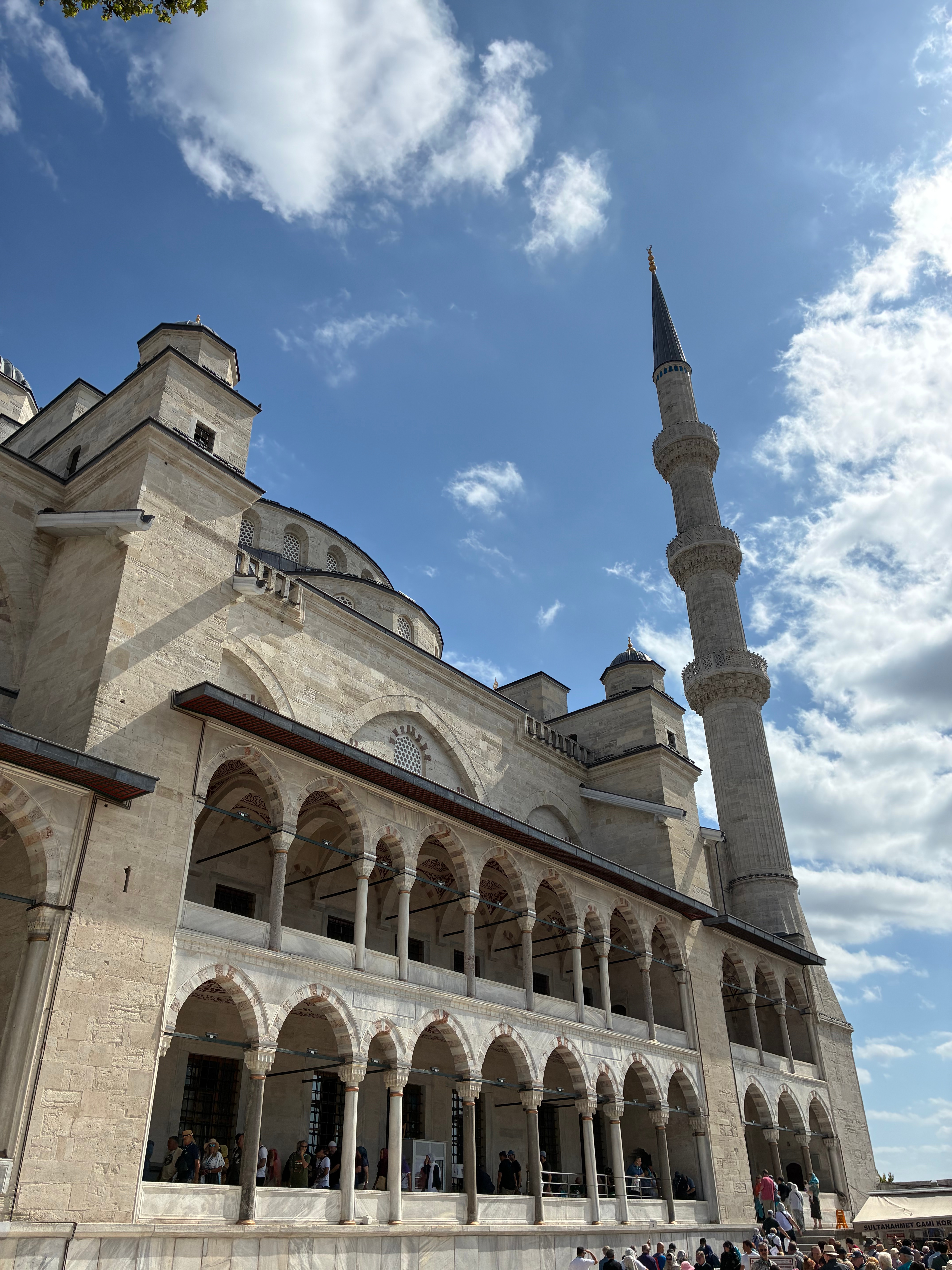
- Istanbul, Türkiye’s largest city, straddling two continents, with the Hagia Sophia, the Grand Bazaar, and one of the most dramatic skylines in the world.
Essential Things to Know Before Visiting Türkiye
Visa Requirements
Many nationalities, including Canadians, Americans, Australians, and most EU citizens, can obtain an e-Visa online before travel. The process is straightforward and takes only a few minutes at evisa.gov.tr. Always check the most current requirements for your specific passport before booking. For more on preparing for international travel, see our guide on how to plan a trip.
Currency
The Turkish Lira (TRY) is the national currency. Credit and debit cards are widely accepted in cities and tourist areas. Cash is useful for markets, smaller restaurants, and transport. ATMs are plentiful in Istanbul and other major cities. Tipping is customary, around 10% at restaurants is appreciated.
Language
Turkish is the official language. English is widely spoken in Istanbul’s tourist areas, hotels, and restaurants, but less common in smaller cities and rural regions. Learning a few basic Turkish phrases is appreciated and goes a long way.
Getting Around
Istanbul has an extensive public transit network including metro lines, trams, ferries, and buses, all accessible with the Istanbulkart transit card. Intercity travel is well served by Turkish Airlines and budget carriers, as well as an expanding high-speed rail network. For coastal and rural areas, rental cars offer the most flexibility. For more on booking flights and ground transport, see our transportation guide.
Weather
Türkiye’s climate varies significantly by region. Istanbul has a mild Mediterranean-influenced climate, with warm summers and cool, occasionally rainy winters. The Aegean and Mediterranean coasts are hot and dry in summer and mild in winter. Central Anatolia (Cappadocia) experiences cold winters with snow, making it especially atmospheric for hot air balloon rides. Spring (April to May) and autumn (September to October) are generally the most pleasant times to visit across the country.
Safety
Türkiye is generally safe for tourists. Istanbul and other major tourist destinations are well-policed. Standard city precautions apply: be alert in crowded areas, use licensed taxis or apps like BiTaksi or Uber, and keep valuables secure. Emergency services can be reached by calling 112. We always recommend picking up travel insurance before any international trip.
Cultural Considerations
Türkiye is a majority-Muslim country, though largely secular in its major cities. When visiting mosques, dress modestly, with shoulders and knees covered, shoes removed. Outside prayer times, most mosques welcome visitors. Respect local customs, especially during Ramadan, when eating and drinking in public during daylight hours may be frowned upon in more conservative areas.
Food and Drink
Turkish cuisine is exceptional, one of the great food cultures of the world. Don’t leave without trying a proper Turkish breakfast (kahvaltı), fresh simit from a street vendor, a slow-cooked lamb kebab, meze platters, baklava, and Turkish tea (çay) served in tulip-shaped glasses. In Istanbul, a fish sandwich (balık ekmek) eaten on the Galata Bridge is one of the great cheap meals anywhere. Consider booking a food tour through GetYourGuide or Viator to discover hidden culinary gems with a local guide.
