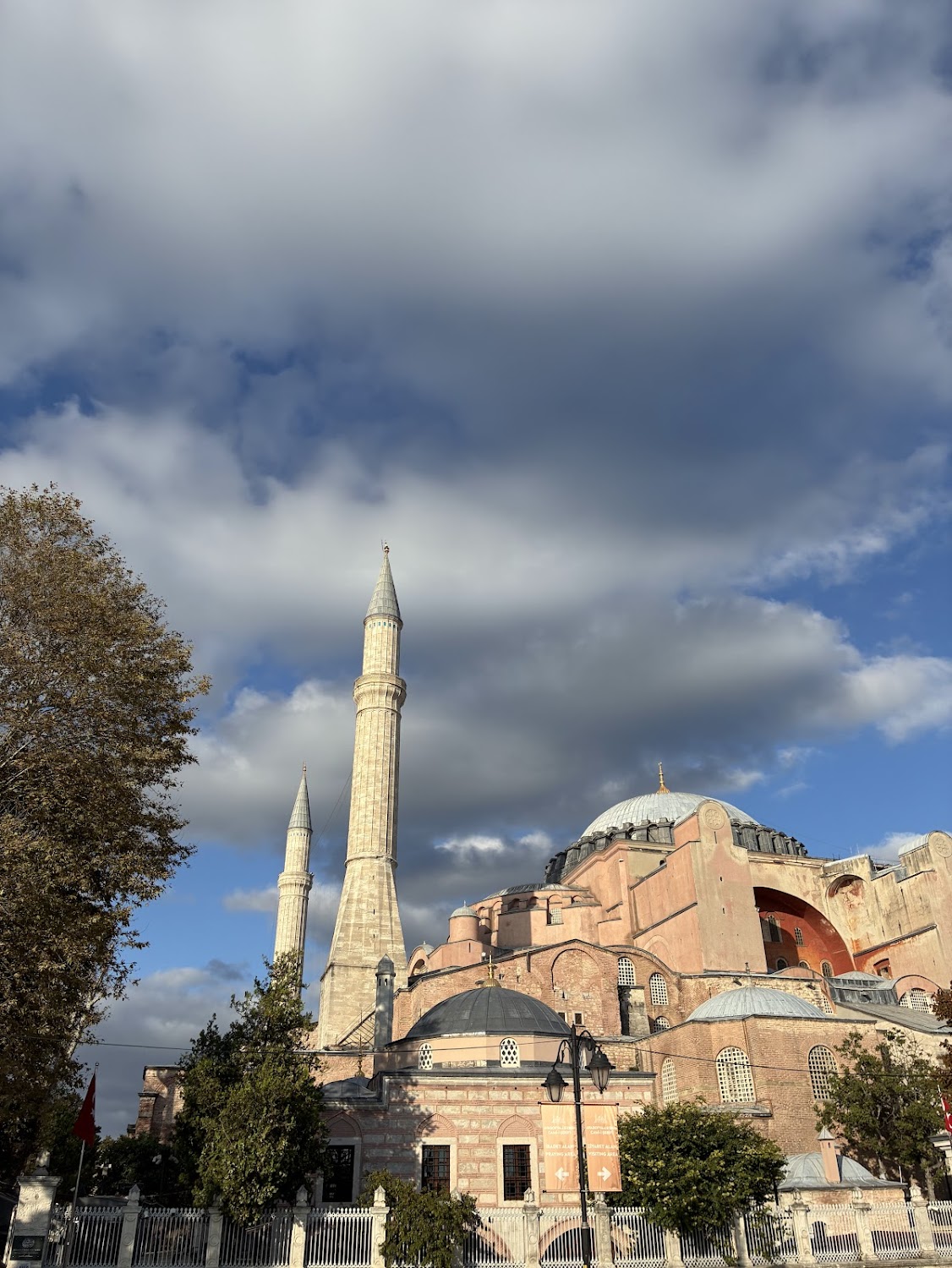
Istanbul was quite a marvel and a bit of a culture shock for me — it was my first time visiting a city straddling Europe and the Middle East, and I was blown away by the architecture, the mosques, and the overall atmosphere. I visited during my honeymoon, arriving from Athens, and was struck by how many similarities the two cities share. While I found the food a little disappointing compared to expectations, I loved Istanbul. And if you’re planning a visit — I hope you like cats.
Essential Things to Know Before Visiting Istanbul
Health and Safety
The emergency number in Istanbul is 112. Overall, Istanbul is a safe city for tourists. The one area generally advised to be cautious around is Taksim Square, particularly during large gatherings or protests — it’s best to avoid the area at night if possible.
Travel Insurance
While Turkey is a safe destination, travel insurance is still a wise investment. Traffic conditions can be unpredictable, and Istanbul’s uneven terrain adds an extra layer of consideration when it comes to personal safety.
Weather and the Best Time to Visit
Istanbul’s climate is fairly predictable. Spring (April–May) and autumn (September–October) are the best times to visit, with mild temperatures and manageable crowds. Summers are hot and winters can be cold, occasionally bringing snow — not unlike many other European cities.
Transportation
Istanbul is served by two airports: Istanbul Airport and Sabiha Gökçen International Airport. Within the city, public transport is excellent, with buses, an extensive metro network, trams, ferries, and funiculars covering most areas you’ll want to visit. It’s worth picking up an Istanbulkart — a reloadable travel card usable across all public transport methods — shortly after arrival.
Money and Tipping
Istanbul is in Türkiye and uses the Turkish Lira. Tipping is common and generally expected; rounding up the bill is usually sufficient in most restaurants and cafés.
Things to Do in Istanbul
Istanbul is broadly divided into three distinct areas: the Asian Side, the European Side, and Old Istanbul (the historic peninsula). Here are some highlights from my four days in the city.
1. Galata Tower and Galata Bridge
Galata Tower is a striking medieval stone tower in the heart of Beyoğlu, one of Istanbul’s most vibrant districts. Built in 1348, it originally served as a watchtower and today draws visitors for its sweeping panoramic views of the city skyline. Entry costs around €30.
Nearby, Galata Bridge connects the European and Asian sides of the city, spanning the Golden Horn. It’s lined with fishermen casting lines on the upper level and a row of seafood restaurants below — a remarkable and quintessentially Istanbul scene.
2. Blue Mosque
The Blue Mosque, completed in 1609, is one of the most stunning buildings I’ve ever seen. Its interior is adorned with thousands of hand-painted blue İznik tiles and complemented by beautiful stained-glass windows — truly hard to describe and a must-see. Entry is free, but visitors must dress modestly. Men should wear trousers and avoid sleeveless tops; women should cover their hair and avoid skirts or shorts. Avoid visiting during prayer times.
3. Hagia Sophia
The Hagia Sophia is one of the most historically significant buildings in the world, with origins dating to 537 AD. Originally built as a Byzantine cathedral, it has served as a church, a mosque, a museum, and once again a mosque today. The interior is breathtaking, with thousand-year-old mosaics still visible on the walls.
Note that there are two levels, and tickets are priced accordingly. We were charged extra upon arrival and restricted from the main floor — so be aware of what your ticket covers before purchasing.
4. Taksim Square and İstiklal Avenue
Taksim Square is a large, lively public space surrounded by monuments, shops, restaurants, and cafés. While generally safe during the day, it’s advisable to avoid the area during demonstrations or late at night.
Connected to Taksim is İstiklal Avenue, a long pedestrian street packed with restaurants, bars, shops, and street musicians — one of the most animated stretches of pavement in the city.
5. Grand Bazaar
One of the oldest and largest covered markets in the world, the Grand Bazaar is a labyrinth of thousands of shops selling everything from Turkish rugs and ceramics to jewellery and clothing. Entry is free, and it’s well worth spending at least an hour getting pleasantly lost inside.
6. Bosphorus Bridge
The Bosphorus Bridge is a massive suspension bridge that crosses the strait separating the European and Asian sides of Istanbul. Crossing it — even just on a bus — gives you a remarkable perspective on the city’s unique geography as a metropolis spanning two continents.
7. Gülhane Park and Topkapı Palace
Gülhane Park is one of Istanbul’s most beautiful public green spaces, with a fairy-tale-like setting full of winding paths, flowering gardens, and scenic viewpoints. It sits adjacent to Topkapı Palace — the former administrative centre of the Ottoman Empire — and both can be explored together in a single visit.
Food and Drink to Try in Istanbul
Turkish cuisine deserves far more than a single section, but here are some essential dishes and drinks to seek out while visiting.
Simit (Turkish Bagel)
Simit is a sesame-crusted circular bread sold by street vendors across the city. Affordable, fresh, and perfect for a quick bite on the go — it’s one of the most iconic street foods in Istanbul.
Köfte (Turkish Meatballs)
Köfte is a wonderfully hearty staple of Istanbul’s food scene. Typically grilled and served with flatbread, rice, or salad, the seasoned minced meat is savoury and satisfying.
Börek
Börek is a flaky savoury pastry similar to spanakopita, available with fillings such as minced meat, cheese, or spinach. It can be enjoyed at any time of day and is usually very affordable.
Baklava
Baklava is an essential Istanbul treat — sticky, sweet, and rich, made with layers of filo pastry, honey, and pistachios. Sweet shops dedicated to baklava are found throughout the city and are well worth a stop.
Çay (Turkish Tea)
Çay is ubiquitous in Istanbul, served in small tulip-shaped glasses with a sugar cube on the side. At around 30 cents a glass, it’s one of the best-value experiences in the city — and the perfect accompaniment to a pastry while taking a break from sightseeing.
Pide (Turkish Flatbread)
Often called Turkish pizza, pide is a boat-shaped flatbread topped with various ingredients including cheese, minced meat, eggs, and vegetables. It’s widely available across Istanbul restaurants and makes for an excellent and filling meal.
Turkish Coffee
Turkish coffee is a deeply distinctive experience. Unfiltered and strong, it’s prepared in a small brass or copper pot over heat, with the grounds settling at the bottom of the cup. Served in small cups at cafés across the city, it’s a must-try for any coffee lover.
FAQs about Visiting Istanbul
Is Istanbul safe?
Yes, Istanbul is generally safe for tourists. Avoid large crowds and political demonstrations, which can become unpredictable. Female travellers are advised to exercise extra caution and avoid walking alone at night in unfamiliar areas.
What language do people speak in Istanbul?
The official language is Turkish. English is widely spoken in tourist areas, so getting around is generally straightforward. That said, learning even a few basic Turkish phrases will be warmly received by locals.
How do I get around the city?
Istanbul has an excellent public transport network covering most areas of interest. Picking up an Istanbulkart travel card is the most convenient option, as it works across metro, tram, bus, and ferry services. Factor in extra time for traffic — congestion in Istanbul can be significant.
What should I wear when visiting mosques?
Modest dress is required. Men should not wear shorts, and women should cover their legs, shoulders, and hair. Scarves are sometimes available to borrow at mosque entrances, but bringing your own is more reliable and saves money.
Is the tap water safe to drink?
No. Tap water in Istanbul is not safe for drinking. It is fine for bathing and brushing teeth, but stick to bottled water for all consumption during your visit.